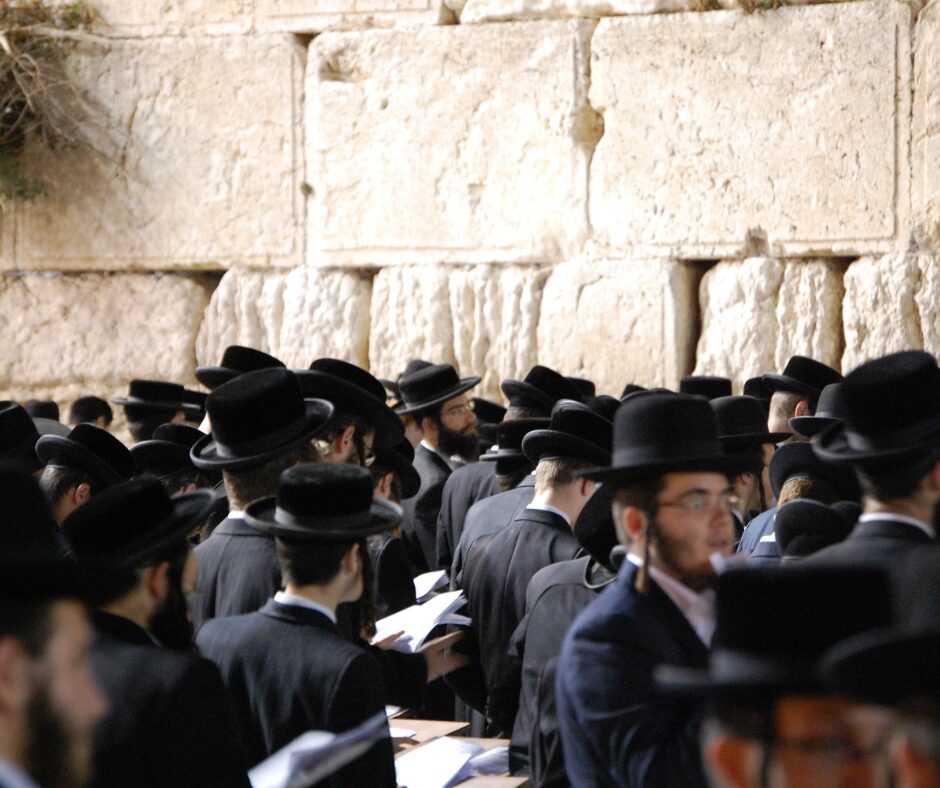
Коли новий рік — це суд: Символіка Рош га-Шана, про яку мало хто говорить
Рош га-Шана — це не просто єврейський Новий рік. Це день, у якому поєднані дві протилежні ідеї: Божий суд і новий початок. Його називають і «Днем суду», і «Днем творіння світу».
За Торою, календар має кілька «початків». Весна — це час виходу з Єгипту й отримання свободи, але саме осінь, місяць тішрей, стає початком року. Рабини пояснювали: свобода — це лише перший крок, а справжній початок вимірюється відповідальністю. Тому новий рік починається тоді, коли людина стоїть перед Божим судом.
За традицією, саме в Рош га-Шана Бог створив людину — Адама. Тобто це не день «нульової точки Всесвіту», а день, коли з’явилася свідома істота, здатна відрізняти добро від зла. Рабини кажуть: Всесвіт починається тоді, коли є хтось, хто може його усвідомити.
Суд без обвинувального вироку
У Рош га-Шана Бог відкриває «книги життя», де записані всі вчинки людей. Проте вирок ще не остаточний: десять днів до Йом Кіпур стають часом виправлення.
Рабі Нахман наголошував:
«Немає такого гріха, після якого не можна було б повернутися до Бога. Усе залежить від людини — чи захоче вона піднятися» (Лікутей Моаран, 282).
Молитва як суд і милосердя
Молитви Рош га-Шана мають особливу атмосферу: вони довгі, урочисті, наповнені проханням не лише за себе, а й за весь світ. Центральна частина — «Малхуйот, Зіхронот, Шофарот» (Царственність, Пам’ять і Шофар).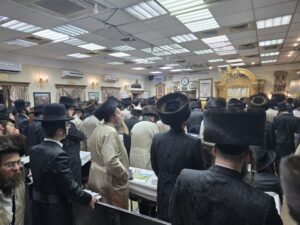
Тут проголошується, що Бог є Царем світу, згадується про Його пам’ять щодо кожного вчинку, і лунає звук шофара як символ пробудження.
Рабі Нахман підкреслював силу молитви:
«Коли людина молиться — вона будує новий світ» (Лікутей Моаран, 2).
Тому молитва в Рош га-Шана — це не лише звернення, а справжня духовна архітектура нового року.
Чому книги мають номери?
Головний твір рабі Нахмана — «Лікутей Моаран» — складається з двох частин, де кожне повчання має власний номер. Це не проста нумерація для зручності, а глибокий символ. Кожна «тора» — це самостійний духовний код, унікальний «адрес» істини, який відповідає на певні питання життя.
Учні Нахмана розповідали, що він сам наполягав на тому, щоб нумерація була збережена. Адже число створює «рамку» для кожного повчання, воно ніби виділяє його як окремий світ. Коли людина відкриває книгу і натрапляє на конкретний номер, це стає схожим на духовне пророцтво: саме цей текст і потрібен їй зараз.
Рабі Нахман сам казав:
«Мої слова — це не просто навчання. Це ключі, які відчиняють брами душі» (Сіхот Гаран, 195).
Через це брацлавські хасиди вважають «Лікутей Моаран» не лише збіркою повчань, а справжньою «книгою життя», яку можна читати як у молитві, так і у пошуках відповіді.
Є навіть традиція відкривати книгу навмання — і вважати, що саме знайдений номер вказує на стан людини й те, куди їй рухатися далі. Це своєрідний «особистий суд», підказка згори, яка вчить бачити власне життя крізь призму духовних знаків.
Чому свято радісне?
Хоча в цей день вирішується доля світу, єврейська традиція вчить зустрічати його з надією. Символічні страви на столі говорять самі за себе: яблуко з медом (щоб рік був солодким), гранат (щоб примножились добрі справи), риба (символ благословення).
Рабі Нахман казав:
«Велика заповідь — бути завжди в радості» (Лікутей Моаран, II, 24).
День не лише для євреїв
Рош га-Шана стосується не лише єврейського народу. У юдейській традиції говориться, що саме цього дня Бог «судить усіх, хто живе на землі» — тобто вирішується доля не тільки Ізраїлю, а й усього людства. Це один із небагатьох моментів у релігійному календарі, коли єврейський погляд виходить далеко за межі власної громади.
Рабі Нахман навчав:
«Кожен має в собі щось добре. Знайди це — і через нього можна врятувати цілий світ» (Лікутей Моаран, 282).
Ці слова перегукуються з ідеєю Рош га-Шана: навіть якщо людина далека від юдейської традиції, цей день є нагадуванням, що кожен наш вчинок впливає на інших. У світі, де всі взаємопов’язані, «суд» перестає бути лише релігійною метафорою — він стає образом глобальної етики.
Мало хто знає, що у молитвах Рош га-Шана є прохання не лише за євреїв, а й за «усі народи землі». Це ще один доказ універсальності дня. Суд над світом — це водночас і шанс для всього людства на новий початок.
Таким чином, Рош га-Шана — не лише внутрішнє свято однієї нації. Це універсальне нагадування: ми всі разом вписані в одну книгу, і те, що ми робимо, визначає не лише нашу особисту долю, а й майбутнє всього світу.
Шофар як пробудження
Звук шофара різкий, чистий, майже тваринний. Він ніби розбиває стіни буденності.
Рабі Нахман казав:
«Найголовніше — не заснути у своєму житті» (Сіхот Гаран, 44).
Шофар і є тим сигналом, що будить душу. Шофар у Рош га-Шана звучить не один раз, а цілу серію разів. Є три основні сигнали:
 Текія — довгий протяжний звук, символ цілісності.
Шеварім — три розбиті звуки, наче стогін людини.
Труа — дев’ять коротких різких звуків, мов плач.
Разом вони символізують різні стани людини: від стабільності до зламаності й відчаю. А повторюваність означає, що життя завжди дає шанс почати знову.
Новий початок після вироку
Навіть після суворого суду головне — не падати у відчай. Рабі Нахман нагадував:
«Немає більшого гріха, ніж відчай» (Лікутей Моаран, II, 78).
Він вважав, що відчай відсікає людину від можливості змінитися, тоді як найменша іскра надії вже є кроком до виправлення. Саме в цьому полягає глибинний сенс Рош га-Шана: навіть коли людині здається, що всі двері зачинені, цей день відкриває перед нею нові.
Рабі Нахман говорив:
«Якщо ти віриш, що можна зіпсувати, то повір і в те, що можна виправити» (Лікутей Моаран, 112).
Тому Рош га-Шана — це не вирок у звичному розумінні, а початок діалогу з власним життям. Людина чує вирок, але водночас отримує шанс його переписати своїми діями, молитвою і вибором.
Суд тут стає не кінцем, а відправною точкою. І саме ця ідея робить єврейський Новий рік унікальним: він нагадує, що навіть найважчий рік можна почати наново, і що Бог чекає не ідеальної досконалості, а руху вперед.
Що означає «Шана това»
На Рош га-Шана люди вітають один одного словами «Шана това» — «Доброго року». У цьому побажанні є подвійний сенс. З одного боку, це прохання, щоб рік був легким і щасливим. З іншого — це нагадування, що «добрим» рік стане лише тоді, коли сама людина наповнить його добрими справами.
Рабі Нахман писав:
«У людини завжди є новий початок. І навіть якщо впала — нехай почне спочатку, і це буде її справжній світ» (Лікутей Моаран, 261).
Отже, «Шана това» — це не просто побажання, а відповідальність: зробити новий рік кращим своїми руками.
Сьогодні символ Рош га-Шана — яблуко з медом. Але спершу традиція була не такою поширеною. У Середньовіччі євреї в різних країнах їли інші «знаки» — у Йємені це була фінікова паста, у Ірані — гранатовий сироп, у Польщі — морква, бо на ідиші слово «морква» (мерен) співзвучне зі словом «багато». Згодом саме яблуко стало головним символом, бо воно асоціювалось з «садом Едему» і новим початком.
Рош га-Шана — це свято парадоксів. У ньому поєднуються страх і радість, суд і милосердя, сувора тиша молитви й гучний крик шофара. Але в цій напрузі і є сенс: людина щороку отримує шанс подивитися у «книгу свого життя» і почати її писати з нової сторінки.
Рабі Нахман наголошував, що найголовніше — не впадати у відчай, а завжди знаходити новий початок. Саме це і є глибинним змістом Рош га-Шана: Бог судить не для того, щоб зламати, а щоб дати людині можливість піднятися вище.
Побажання «Шана това» в цьому контексті звучить інакше — як заклик. Рік буде добрим лише тоді, коли кожен наповнить його своїми добрими справами, молитвою та вірою у власні сили. І тоді день суду справді перетвориться на день нового творіння.
When the New Year Is Judgment: The Hidden Symbolism of Rosh Hashanah
Rosh Hashanah is not simply the Jewish New Year. It is a day that brings together two opposite ideas: divine judgment and a new beginning. It is called both the “Day of Judgment” and the “Day of the Creation of the World.”
According to the Torah, the calendar has several “beginnings.” Spring marks the Exodus from Egypt and the gaining of freedom, yet autumn, the month of Tishrei, becomes the start of the year. The rabbis explained: freedom is only the first step, while a true beginning is measured by responsibility. That is why the new year begins when a person stands before divine judgment.
According to tradition, it was on Rosh Hashanah that God created the first human, Adam. This means it is not the “zero point” of the universe, but the moment when a conscious being appeared, capable of distinguishing between good and evil. The rabbis say: the universe truly begins when there is someone who can perceive it.
Judgment Without a Final Verdict
On Rosh Hashanah, God opens the “Books of Life,” where all human actions are recorded. However, the verdict is not final: the ten days leading up to Yom Kippur become a time for correction.
Rabbi Nachman emphasized:
“There is no sin after which one cannot return to God. Everything depends on the person — whether they choose to rise” (Likutey Moharan, 282).
Prayer as Judgment and Mercy
The prayers of Rosh Hashanah carry a unique atmosphere: they are long, solemn, and filled with requests not only for oneself but for the entire world. The central section is Malchuyot, Zichronot, Shofarot (Kingship, Remembrance, and Shofar).
Here, God is proclaimed as King, His remembrance of every action is invoked, and the sound of the shofar is heard as a symbol of awakening.
Rabbi Nachman highlighted the power of prayer:
“When a person prays, they build a new world” (Likutey Moharan, 2).
Thus, prayer on Rosh Hashanah is not merely a request — it is the spiritual architecture of the coming year.
Why Do the Teachings Have Numbers?
Rabbi Nachman’s main work, Likutey Moharan, consists of two parts, where each teaching has its own number. This is not just for convenience, but a deep symbol. Each “Torah” is a self-contained spiritual code, a unique “address” of truth that responds to specific questions of life.
His students said that he insisted on preserving this numbering. A number creates a “frame” for each teaching, marking it as a separate world. When a person opens the book and encounters a specific number, it can feel like a form of spiritual guidance — as if that exact passage is what they need at that moment.
Rabbi Nachman said:
“My words are not just teachings. They are keys that open the gates of the soul” (Sichot Haran, 195).
For this reason, Breslov Hasidim view Likutey Moharan not merely as a collection of teachings, but as a “book of life” that can be read both in prayer and in the search for answers.
There is even a tradition of opening the book at random and believing that the passage found reflects one’s inner state and direction. It becomes a kind of “personal judgment,” a hint from above that teaches a person to see their life through spiritual signs.
Why Is the Holiday Joyful?
Although the fate of the world is decided on this day, Jewish tradition teaches to greet it with hope. The symbolic foods on the table speak for themselves: apples with honey (for a sweet year), pomegranates (for an abundance of good deeds), and fish (a symbol of blessing).
Rabbi Nachman said:
“It is a great commandment to always be in joy” (Likutey Moharan, II, 24).
A Day Not Only for Jews
Rosh Hashanah concerns not only the Jewish people. In Jewish tradition, it is said that on this day God “judges all who live on earth,” meaning that the fate of all humanity is considered. It is one of the rare moments in the religious calendar when the Jewish perspective extends far beyond its own community.
Rabbi Nachman taught:
“Everyone has something good within them. Find it — and through it, an entire world can be saved” (Likutey Moharan, 282).
These words echo the idea of Rosh Hashanah: even for someone far from Jewish tradition, this day is a reminder that every action affects others. In a world where everything is interconnected, “judgment” becomes not just a religious metaphor, but an image of global ethics.
Few people realize that Rosh Hashanah prayers include requests not only for Jews, but for “all the nations of the earth.” This is another sign of the day’s universality. Judgment of the world is also a chance for all humanity to begin anew.
The Shofar as Awakening
The sound of the shofar is sharp, pure, almost primal. It breaks through the walls of everyday life.
Rabbi Nachman said:
“The most important thing is not to fall asleep in your life” (Sichot Haran, 44).
The shofar is that signal which awakens the soul. It is sounded in a series of calls:
- Tekiah — a long, sustained note, symbolizing wholeness
- Shevarim — three broken sounds, like a sigh
- Teruah — nine short, sharp blasts, like weeping
Together, they reflect different human states: from stability to brokenness and despair. Their repetition reminds us that life always offers another chance to begin again.
A New Beginning After Judgment
Even after strict judgment, the essential thing is not to fall into despair. Rabbi Nachman reminded:
“There is no greater sin than despair” (Likutey Moharan, II, 78).
He believed that despair cuts a person off from the possibility of change, while even the smallest spark of hope is already a step toward repair. This is the deeper meaning of Rosh Hashanah: even when it feels like all doors are closed, this day opens new ones.
Rabbi Nachman said:
“If you believe that it is possible to damage, then believe that it is possible to repair” (Likutey Moharan, 112).
Thus, Rosh Hashanah is not a verdict in the usual sense, but the beginning of a dialogue with one’s own life. A person hears judgment, yet also receives the chance to rewrite it through actions, prayer, and choice.
Judgment here is not the end, but the starting point.
What “Shanah Tovah” Means
On Rosh Hashanah, people greet each other with the words “Shanah Tovah” — “A Good Year.” This greeting carries a двойний сенс. On one hand, it is a wish for an easy and happy year. On the other, it is a reminder that the year becomes “good” only if a person fills it with good deeds.
Rabbi Nachman wrote:
“A person always has a new beginning. And even if they have fallen — let them begin again, and that will be their true world” (Likutey Moharan, 261).
So “Shanah Tovah” is not just a wish, but a responsibility — to make the new year better with one’s own actions.
Today, the symbol of Rosh Hashanah is apples with honey. But originally, traditions varied: in Yemen, people ate date paste; in Iran, pomegranate syrup; in Poland, carrots, because the Yiddish word for carrot sounds like “many.” Over time, the apple became central, associated with the Garden of Eden and a new beginning.
Rosh Hashanah is a holiday of paradoxes. It combines fear and joy, judgment and mercy, the quiet intensity of prayer and the loud cry of the shofar. But within this tension lies its meaning: each year, a person is given the chance to look into the “book of their life” and begin writing it anew.
Rabbi Nachman emphasized that the most important thing is not to fall into despair, but always to find a new beginning. This is the deeper meaning of Rosh Hashanah: God judges not to break a person, but to give them the opportunity to rise higher.
“Shanah Tovah,” in this sense, sounds different — not just as a wish, but as a call. The year will be good only if each person fills it with good deeds, prayer, and faith in their own ability to move forward. And then the day of judgment truly becomes a day of new creation.