Шлях людини протягом року: як єврейські свята вибудовують послідовність внутрішніх станів
Єврейський календар не створений для зручності. Він не синхронізується з порами відпусток і не підлаштовується під людське бажання стабільності. Його логіка інша: поступово провести людину через ключові внутрішні стани, не дозволяючи застрягти ні в самозаспокоєнні, ні у відчаї. Це не рік подій, а рік перевірок.
Початок року як момент зупинки
Рош га-Шана в єврейській традиції не запускає рух. Вона його зупиняє. І в цьому її принципова відмінність від усього, що сучасна людина звикла називати «новим початком». Тут немає імпульсу діяти, надихатися, ставити цілі. Спершу людину зупиняють і ставлять перед фактом її власної присутності в житті. 
Цей момент зупинки не м’який. Він навмисно незручний. Людині більше не дозволяють ховатися за темпом, зайнятістю чи виправданням «потім».
Саме тому Рош га-Шана не супроводжується гучною радістю. Вона створює стан напруги, в якому людина вперше за довгий час змушена поставити собі не технічні, а екзистенційні запитання: де я є зараз, що зі мною відбувається, чи я живу свідомо, чи за інерцією.
Звук шофара в цьому контексті має особливу функцію. Він не прикрашає молитву і не створює атмосферу. Це звук, який ламає внутрішню тишу автоматизму. У ньому немає мелодії, бо мелодія заспокоює. А Рош га-Шана не про заспокоєння. Вона про пробудження. У хасидській традиції кажуть, що шофар звучить не для вуха, а для серця, яке звикло спати навіть тоді, коли тіло активне.
Рабі Нахман неодноразово говорив, що найбільша небезпека для людини — прожити життя, так і не усвідомивши, що вона його проживає. Саме тому початок року не починається з планів. Він починається з усвідомлення стану, навіть якщо цей стан далекий від бажаного.
Важливо і те, що Рош га-Шана не вимагає негайних змін.
Вона не змушує людину обіцяти щось собі чи іншим. Вона лише фіксує точку: ось ти зараз тут. І тільки після цього стає можливим рух далі. У цій логіці зупинка — не втрата часу, а єдиний спосіб не рухатися хибним шляхом ще один рік.
Саме тому Рош га-Шана не завершується відчуттям полегшення. Вона не дає відповідей. Вона відкриває процес, у якому людина погоджується дивитися на себе чесно. І ця згода важча за будь-яку дію. Але без неї весь рік перетворився б на продовження старого руху без усвідомлення, куди і навіщо.
Відповідальність і переосмислення
Після зупинки Рош га-Шана рік не переходить у дію одразу. Між усвідомленням і змінами в юдаїзмі завжди існує проміжок відповідальності. Це час, у якому людині більше не дозволено сховатися за абстрактними формулами на кшталт «я усвідомив» або «я зрозумів». Тут важливе не відчуття, а наслідки. Десять днів між Рош га-Шана і Йом Кіпуром не випадково не мають окремого святкового статусу. Вони створені як час незручності. Людина вже побачила себе без прикрас, але ще нічого не виправила. Саме тут стає очевидно, що усвідомлення без дії нічого не змінює. У традиції підкреслюють: не можна просити прощення у Бога, не спробувавши спершу відновити стосунки з людьми. Відповідальність завжди починається з конкретного іншого, а не з абстрактної моралі.
Йом Кіпур доводить цей стан до межі.
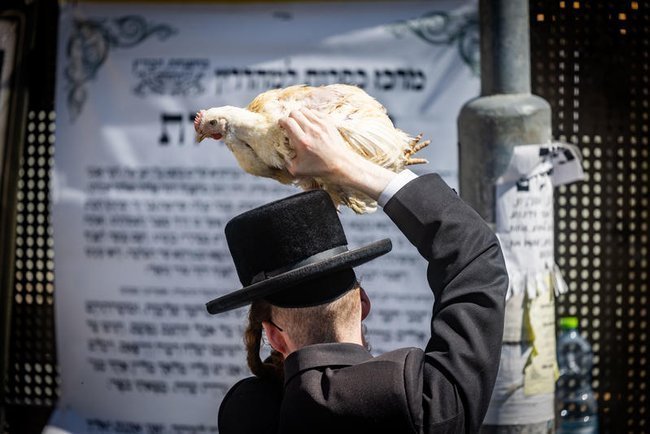 Це день, у якому людину позбавляють звичних опор: їжі, комфорту, руху, розваг. Не для покарання, а щоб зняти всі захисні шари. Тут більше не працюють пояснення, контекст, складні історії. Людина залишається з простим і важким фактом: її вчинки мають наслідки, навіть якщо вона не хотіла цього визнавати. У юдаїзмі Йом Кіпур не є днем самознищення або самоприниження. Це день тверезості. Тут не вимагають ненавидіти себе, але й не дозволяють виправдовуватися. Саме в цьому полягає його сила. Відповідальність не драматизується і не героїзується. Вона приймається як умова дорослого життя.
Рабі Нахман наголошував, що людина часто боїться не покарання, а правди про себе.
Саме тому справжнє переосмислення починається не з жалю, а з готовності побачити власну участь у тому, що відбувається. Без цього будь-яке каяття залишається театральним жестом. Важливо й те, що цей етап не обіцяє полегшення. Після Йом Кіпуру людина не стає «чистою» у психологічному сенсі. Вона стає відповідальною. І це складніше. Бо тепер неможливо сказати: я не знав. Саме з цього моменту рік переходить до наступного стану — довіри без ілюзій, де відповідальність уже не тисне, а стає частиною життя.
Довіра і крихкість стабільності
Після максимальної серйозності і відповідальності рік робить несподіваний поворот. Замість повернення до звичного комфорту юдаїзм пропонує навмисно вийти з нього.
Суккот не повертає людину в безпеку дому, а виводить її назовні, у простір, який принципово нестабільний. І в цьому немає жорстокості. Є логіка.
Сука не маскує реальність. Вона демонструє її в концентрованому вигляді. Тимчасові стіни, дах, крізь який видно небо, залежність від погоди — усе це не символи для роздумів, а досвід для тіла. Людина не просто знає, що стабільність умовна. Вона живе в умовах, де це неможливо забути.
Цей етап дуже важливий психологічно.
Після Йом Кіпуру може виникнути спокуса шукати абсолютної захищеності: правильних правил, чітких відповідей, стабільних конструкцій. Суккот руйнує цю ілюзію. Він показує, що навіть після внутрішнього очищення світ не стає контрольованим. І це не помилка, а умова життя.
Довіра, про яку йдеться в Суккот, не є довірою до обставин. Це довіра до самого факту життя, яке триває без гарантій. Людина більше не намагається зафіксувати реальність, а вчиться жити в русі, приймаючи мінливість як норму. Саме тому Суккот — радісне свято. Радість тут не від безпеки, а від того, що навіть у крихкості можна бути живим, разом з іншими, у спільності.
У хасидській традиції цей етап часто пов’язують із простим, але радикальним висновком: стабільність не дає сенсу. Сенс народжується там, де людина не тікає від невизначеності. Саме після цього досвіду стає можливим увійти в зиму — період, де ця довіра більше не підтримується святковими жестами, а має проявитися в повсякденному житті. Цей етап не навчає оптимізму. Він навчає витримці без опори на ілюзії. І саме тому він є критично важливим для всього подальшого шляху року.
Світло у темний період
Після досвіду крихкості рік входить у фазу, де більше немає зовнішньої підтримки у вигляді великих жестів. Зима в єврейському календарі — це перевірка на витримку без драматургії. Тут нічого не відбувається різко. Немає зламу, немає очищення, немає початку. Є тривання.
Ханука з’являється саме в цей момент не випадково.
Це свято не змінює реальність і не обіцяє виходу з темряви. Воно працює інакше. Світло не перемагає темряву. Воно співіснує з нею. Саме тому ханукальні свічки не запалюють усі одразу. Світло додають поступово, день за днем, навіть якщо ніч навколо залишається такою самою.
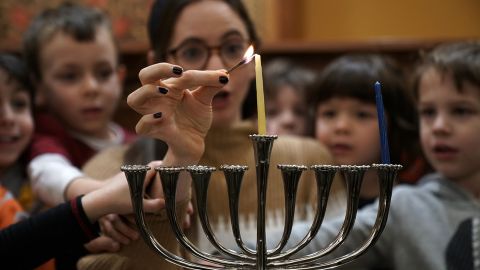 Цей принцип принципово відрізняється від ідеї прориву. У юдаїзмі не вірять у те, що одна сильна дія здатна скасувати темний період. Вірять у послідовність. У повторення простого жесту, який не виглядає героїчним, але не дає згаснути.
Рабі Нахман говорив, що інколи людині не потрібно великого світла, щоб рухатися далі. Достатньо не дозволити темряві стати єдиною реальністю. У цьому сенсі Ханука — не про надію, а про мінімальну вірність сенсу, навіть коли він не підкріплений емоціями.
Зимовий період показує, чи була осінь справжньою. Якщо внутрішня робота була лише напругою моменту, зима швидко її оголює. Тут віра перестає бути подією і стає звичкою. Світло запалюють удома, у тиші, без глядачів. І саме це робить його стійким. Цей етап вчить дуже простій, але складній речі: жити, коли нічого не відбувається. Не чекати знаків, не вимагати результатів, не драматизувати паузу. Саме така здатність і дозволяє людині дожити до весни — до етапу, де знову постане питання свободи, але вже на іншому рівні.
Фінал: шлях, який не закінчується
Після зими і весни здається, що цикл мав би завершитися. Свобода здобута, межі прийняті, світло збережене. Але єврейський календар навмисно не ставить фінальної крапки. Він не обіцяє стану, у якому людина може зупинитися й сказати: я дійшов.
Літо повертає пам’ять про руйнування, втрати і крихкість усього, що здавалося стійким.
Тіша бе-Ав не заперечує попередній шлях. Він його перевіряє. Чи здатна людина пам’ятати без відчаю. Чи може жити далі, не витісняючи біль і не дозволяючи йому стати єдиним змістом. Саме тут з’являється стан тихої стійкості — не радість і не скорбота, а згода продовжувати шлях без ілюзій.
І лише після цього можливий новий початок. Осінь знову поставить людину перед дзеркалом. Але це вже буде інша людина. Не чиста і не ідеальна, а така, що пройшла шлях і не втекла від жодного з його етапів.
A Person’s Journey Through the Year: How Jewish Holidays Build a Sequence of Internal States
The Jewish calendar is not designed for convenience. It does not synchronize with vacation seasons, nor does it adapt to the human desire for stability. Its logic is different: to gradually guide a person through key internal states, preventing them from getting stuck in either self-complacency or despair. It is not a year of events, but a year of examinations.
The Beginning of the Year as a Moment of Pause
In Jewish tradition, Rosh Hashanah does not launch movement; it stops it. In this lies its fundamental difference from everything the modern person is used to calling a “new beginning.” Here, there is no impulse to act, to be inspired, or to set goals. First, the person is stopped and confronted with the fact of their own presence in life.
This moment of pause is not gentle. It is intentionally uncomfortable. A person is no longer allowed to hide behind pace, busyness, or the excuse of “later.” For this reason, Rosh Hashanah is not accompanied by loud joy. It creates a state of tension in which a person, for the first time in a long while, is forced to ask existential rather than technical questions: Where am I now? What is happening to me? Am I living consciously, or by inertia?
The sound of the shofar in this context has a specific function. It does not decorate the prayer, nor does it create an “atmosphere.” It is a sound that breaks the internal silence of automatism. There is no melody in it, because melody calms, and Rosh Hashanah is not about calming. It is about awakening. In the Hasidic tradition, it is said that the shofar sounds not for the ear, but for the heart, which is accustomed to sleeping even while the body is active.
Rabbi Nachman repeatedly said that the greatest danger for a person is to live life without ever realizing they are living it. That is why the year does not start with plans; it starts with the realization of one’s current state, even if that state is far from what is desired.
Crucially, Rosh Hashanah does not demand immediate changes. It does not force a person to make promises to themselves or others. It merely marks a point: here you are now. Only after this does forward movement become possible. In this logic, a pause is not a waste of time, but the only way to avoid moving down the wrong path for another year.
Therefore, Rosh Hashanah does not end with a sense of relief. It provides no answers. It opens a process in which a person agrees to look at themselves honestly. This agreement is harder than any action, but without it, the entire year would become a continuation of old patterns without an understanding of where or why.
Responsibility and Reassessment
After the pause of Rosh Hashanah, the year does not immediately shift into action. In Judaism, there is always a “gap of responsibility” between realization and change. This is a time when a person is no longer allowed to hide behind abstract formulas like “I’ve realized” or “I understand.” What matters here is not the feeling, but the consequences.
It is no accident that the Ten Days of Repentance between Rosh Hashanah and Yom Kippur do not have a separate holiday status. They are designed as a time of discomfort. The person has already seen themselves without embellishment but has not yet fixed anything. Here, it becomes obvious that awareness without action changes nothing. The tradition emphasizes: one cannot ask forgiveness from God without first attempting to restore relationships with people. Responsibility always begins with a specific “other,” not with abstract morality.
Yom Kippur pushes this state to the limit. It is a day when a person is stripped of their usual supports: food, comfort, movement, and entertainment. This is not for punishment, but to remove all protective layers. Explanations, contexts, and complex stories no longer work here. A person is left with a simple, heavy fact: their actions have consequences, even if they refused to admit it. In Judaism, Yom Kippur is not a day of self-destruction or self-humiliation; it is a day of sobriety. It does not demand that you hate yourself, but it does not allow for excuses. This is where its strength lies. Responsibility is neither dramatized nor heroized; it is accepted as a condition of adult life.
Rabbi Nachman emphasized that a person often fears the truth about themselves more than punishment. Therefore, true reassessment begins not with regret, but with the readiness to see one’s own role in what is happening. Without this, any repentance remains a theatrical gesture. After Yom Kippur, a person does not become “clean” in a psychological sense—they become responsible. And that is more difficult. Because now, it is impossible to say, “I didn’t know.” From this point, the year transitions into the next state: trust without illusions.
Trust and the Fragility of Stability
Following such intense seriousness, the year takes an unexpected turn. Instead of returning to familiar comfort, Judaism suggests intentionally stepping away from it. Sukkot does not return a person to the safety of their home; it leads them outside into a space that is fundamentally unstable. There is no cruelty in this—only logic.
The Sukkah does not mask reality; it demonstrates it in a concentrated form. Temporary walls, a roof through which the sky is visible, and dependence on the weather—these are not symbols for reflection, but physical experiences for the body. A person does not just know that stability is conditional; they live in conditions where it is impossible to forget it.
This stage is psychologically vital. After Yom Kippur, there is a temptation to seek absolute security: perfect rules, clear answers, or stable structures. Sukkot destroys this illusion. It shows that even after internal purification, the world remains beyond our control. This is not a flaw, but a condition of life.
The trust found in Sukkot is not trust in circumstances, but trust in the very fact of life continuing without guarantees. One stops trying to “fix” reality and learns to live in motion, accepting change as the norm. That is why Sukkot is a joyful holiday. Joy here comes not from safety, but from the realization that even in fragility, one can be fully alive and in community with others.
Light in the Dark Period
After the experience of fragility, the year enters a phase where external support in the form of grand gestures disappears. Winter in the Jewish calendar is a test of endurance without drama. There are no sudden breaks, no purifications, and no new beginnings—only duration.
Hanukkah appears at this moment for a reason. This holiday does not change reality, nor does it promise an escape from the darkness. It works differently: light does not defeat darkness; it coexists with it. This is why Hanukkah candles are not lit all at once. Light is added gradually, day by day, even if the surrounding night remains the same.
This principle differs fundamentally from the idea of a “breakthrough.” Judaism does not believe that a single powerful action can cancel a dark period. It believes in consistency—in the repetition of a simple gesture that may not look heroic but prevents the light from going out.
Rabbi Nachman said that sometimes a person doesn’t need a great light to move forward; they only need to prevent the darkness from becoming the sole reality. In this sense, Hanukkah is not about hope, but about minimal loyalty to meaning, even when it is not fueled by emotion. Winter reveals if the internal work of autumn was genuine. Faith ceases to be an event and becomes a habit.
Finale: A Path That Does Not End
After winter and spring, it might seem the cycle should conclude. Freedom is won, boundaries accepted, and light preserved. However, the Jewish calendar intentionally refuses to place a final period. It promises no state where a person can stop and say, “I have arrived.”
Summer brings back the memory of destruction, loss, and the fragility of everything that seemed stable. Tisha B’Av does not deny the previous journey; it tests it. Is the person capable of remembering without despair? Can they live on without suppressing pain and without allowing it to become their only identity? Here, a state of quiet resilience emerges—neither joy nor sorrow, but an agreement to continue the path without illusions.
Only after this is a new beginning possible. Autumn will again place the person before the mirror. But this will be a different person—not perfect or “clean,” but someone who has walked the path and did not run away from a single stage of it.