Єврейські свята як цикл
У єврейській традиції свята не існують як окремі події, відірвані одна від одної. Вони складаються в цикл, який повторюється щороку і водночас щоразу проживається інакше. Це не календар «подій», а система повернень. Людина не просто згадує те, що було, вона знову входить у той самий смисловий простір, але вже з іншим досвідом.
Єврейський рік не рухається прямою лінією вперед. Він рухається колом, у якому кожне свято має своє місце, функцію і напругу. Початок, очищення, випробування, радість, втрата, надія, відновлення. Цей порядок не випадковий і не декоративний. Він формує внутрішній ритм життя, у якому немає одного «головного» стану. Кожен стан тимчасовий і необхідний.
Осінній період: початок року, суд, крихкість і радість
Осінь у єврейському календарі — це початок усього циклу. Саме восени рік не просто починається, а перезапускається. Цей період не про затишок чи збирання врожаю в романтичному сенсі. Це час максимальної внутрішньої напруги, чесності з собою і поступового переходу від суворості до радості.
Рош га-Шана (приблизно вересень за українським календарем)
Рош га-Шана — це єврейський Новий рік, але не у форматі підбиття підсумків чи святкування досягнень. Це день зупинки. День, коли людина дивиться на себе без прикрас, без пояснень і виправдань. Не з позиції успіху, а з позиції напрямку: куди я рухаюся і що зі мною відбувається насправді.
У синагозі звучить шофар — ріг, звук якого не має мелодії й не створений для естетики. Його не слухають для задоволення. Це звук пробудження, різкий і незручний. У традиції він виконує функцію сигналу: не проспати себе, не сховатися в автоматичному житті, не відкласти чесну розмову з собою ще на рік.
У ці дні багато євреїв їдуть до родини або збираються вдома за святковим столом. Атмосфера стримано-урочиста, без надмірної радості й без трауру. Святковість тут полягає не в настрої, а в усвідомленості моменту. Готують страви з чітким символічним сенсом. Яблука з медом — побажання солодкого року, але не солодкого як легкого, а як такого, в якому є смак і повнота. Кругла хала символізує замкнений цикл часу, повторюваність року і повернення до тих самих запитань, але вже з іншим досвідом.
Їжа на Рош га-Шана не є розвагою. Вона працює як мова символів, які не прикрашають реальність, а структурують її. Кожен елемент нагадує: рік починається не з порожнього місця, а з того, ким людина є зараз.
Водночас Рош га-Шана не існує сам по собі. Це не завершене свято, а відкриття процесу. Воно запускає десять днів внутрішньої роботи, які ще не дають відповідей і не приносять полегшення. Це лише перша точка циклу, у якій людина визнає необхідність змін, але ще не знає, якими вони будуть.
Десять днів трепету і Йом Кіпур (вересень – початок жовтня).jpg)
Після Рош га-Шана починається період, який не має яскравих зовнішніх ознак, але вважається одним із найважливіших у році. Це час, коли люди намагаються виправити стосунки, попросити пробачення, закрити старі конфлікти. Йдеться не про формальні вибачення, а про реальні розмови.
Йом Кіпур, День спокути, — кульмінація цього періоду. Це день повного посту, без їжі, води, розваг і побутових дій. Люди проводять багато годин у синагозі або вдома в молитві й тиші. Не їдуть нікуди, не святкують, не відволікаються.
Це не покарання і не аскеза заради аскези. Це день максимальної відповідальності. Людина ніби знімає все зайве, щоб побачити, ким вона є без ролей і виправдань. Після завершення посту немає ейфорії. Є відчуття полегшення і переходу до іншого стану.
Суккот (жовтень)
Після найсуворіших днів року — Рош га-Шана і Йом Кіпуру — настає різкий, майже парадоксальний злам. Суккот є одним із найрадісніших свят у єврейському календарі, але ця радість не легковажна і не безтурботна. Вона народжується не з відчуття безпеки, а з її усвідомленої відсутності.
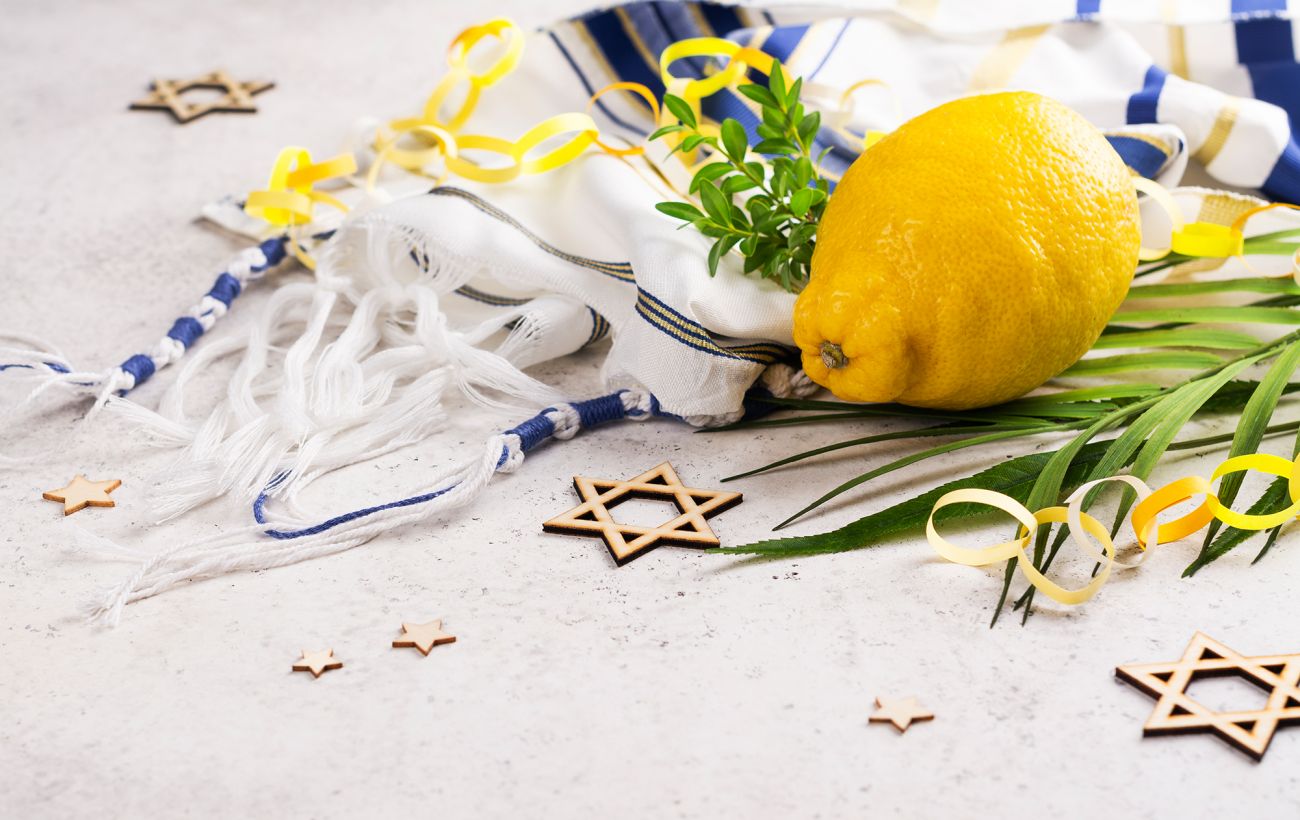 Центром свята стає сука — тимчасова хатина, яку будують біля дому, на подвір’ї, балконі або навіть на даху. На кілька днів частину життя буквально переносять у цей крихкий простір. У суці їдять, проводять час із родиною, приймають гостей, а дехто й спить. Це не символічний жест і не декоративна традиція. Це фізичний досвід життя без ілюзії стабільності.
Сука навмисно нестійка.
Вона не має повноцінного даху — крізь нього видно небо, зірки, дощ. Стіни можуть хитатися від вітру, температура залежить від погоди. У цьому немає недбалості. Навпаки, це продумана практика. Людина тілом проживає думку, що захищеність не є чимось гарантованим, навіть після суду, очищення і духовної роботи. Свято не заперечує крихкість життя, а вчить не тікати від неї.
Важливо, що Суккот — це свято присутності разом. У ці дні багато часу проводять із сім’єю, родичами, друзями. Запрошують гостей, іноді навіть малознайомих людей. Ідея полягає в тому, що в нестабільному просторі людина не має замикатися в собі. Навпаки, відкритість і спільність стають формою захисту.
Їжа в Суккот проста і домашня. Тут немає жорстко визначених символічних страв, як на Рош га-Шана або Песах. І це принципово. Свято не про знаки і не про ритуальну точність. Воно про сам факт перебування. Важливіше не що саме лежить на столі, а де стоїть цей стіл і хто сидить поруч. Навіть звичайна їжа в суці набуває іншого сенсу, бо вона споживається в умовах тимчасовості.
Симхат Тора (кінець жовтня)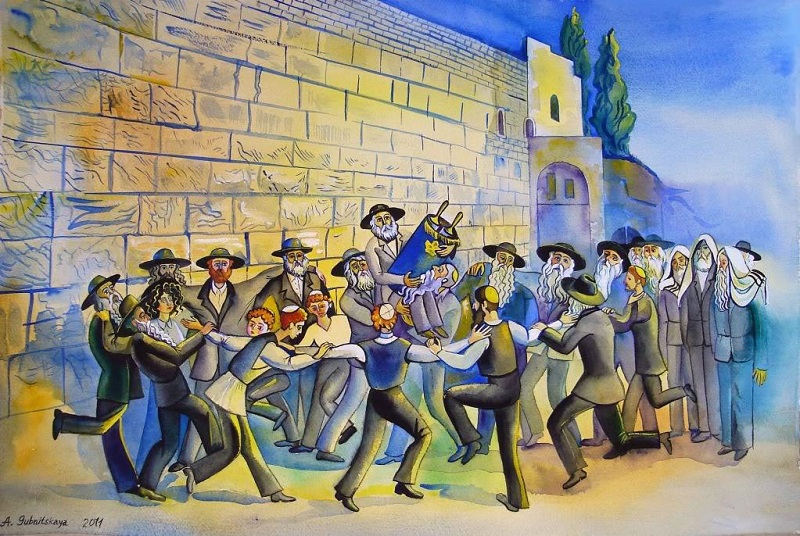
Осінній цикл завершується святом, яке ззовні виглядає дуже гучним. Симхат Тора — це радість з приводу Тори. У синагогах танцюють з сувоями, співають, рухаються, іноді до повної втоми. Це може виглядати як різкий контраст після Йом Кіпуру.
Але логіка тут послідовна. Після суду, відповідальності і проживання крихкості приходить радість від того, що шлях не закінчився. Читання Тори завершується і одразу починається знову. Цикл замкнувся.
Ханука (приблизно грудень за українським календарем)
Ханука — найвідоміше зимове єврейське свято, але його часто неправильно сприймають. Ззовні воно виглядає як «свято світла», майже декоративне. Насправді Ханука — це свято витримки, а не перемоги у звичному сенсі.
 Історично Ханука пов’язана з відновленням Храму після осквернення і з повстанням Маккавеїв. Але в центрі свята не військова перемога, а повернення можливості жити своїм способом, не відмовляючись від ідентичності. Саме тому головна дія Хануки — не хода і не спільна молитва, а запалювання світла вдома.
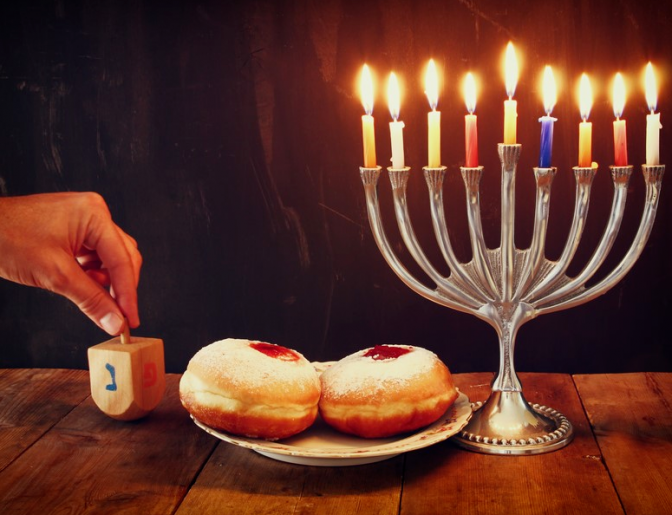
Щовечора протягом восьми днів запалюють ханукію — спеціальний світильник. Кількість свічок зростає щодня. Це важливий момент. Світла не стає одразу багато. Воно накопичується поступово. Ідея проста і жорстка: не чекати миттєвого порятунку, а додавати світло день за днем, навіть коли темрява не зникає.
У ці дні сім’ї збираються вдома. Не їдуть нікуди спеціально. Готують їжу, смажену в олії, як нагадування про диво з храмовою олією. Найвідоміші страви — латкес, картопляні оладки, та пончики. Але сенс не в рецептах. Сенс у повторюваній дії, яка робить дім центром духовного життя.
Ханука не вимагає тиші чи суворості. Але вона й не емоційна. Це свято для довгої дистанції.
Повсякденна зима: між святами
Після Хануки настає період, який часто здається «порожнім». Немає гучних свят, немає кульмінацій. Але в єврейському циклі це не пауза, а етап витримки. Життя повертається до звичайного ритму, і саме тут перевіряється, чи працює віра без святкової напруги.
У цей час більше уваги приділяють навчанню, рутині, внутрішній дисципліні. Менше символічних дій, більше повторення. Саме взимку релігія найбільше нагадує не емоцію, а структуру життя. Віра не підкріплюється масовими подіями. Вона або є в побуті, або зникає.
Ту бі-Шват (січень – лютий)
Серед зими з’являється дуже тихе і майже непомітне свято — Ту бі-Шват, Новий рік дерев. Воно не має урочистих ритуалів і не пов’язане з паломництвами. Але його сенс глибокий.
Ту бі-Шват нагадує, що ріст починається тоді, коли його ще не видно. Дерева зовні виглядають мертвими, але саме в цей час у них починається рух соків. У побуті це свято часто відзначають споживанням плодів, особливо пов’язаних із землею Ізраїлю. Інколи влаштовують символічну трапезу вдома.
Це свято не про дію, а про терпіння. Про розуміння того, що зміни починаються не тоді, коли вони стають помітними.
Песах (приблизно березень – квітень за українським календарем)
 Песах — одне з ключових свят усього року. Це не просто згадка про вихід з Єгипту, а переживання цього виходу в теперішньому часі. У юдаїзмі не кажуть «колись наші предки були рабами». Кажуть: ми вийшли з рабства. Подія не залишається в минулому, вона щоразу відтворюється.
Підготовка до Песаха починається задовго до самого свята. Дім очищають від хамецу — усього квашеного. Це не символічне прибирання і не генеральне «для порядку». Ідея в тому, щоб прибрати те, що розбухає, затримується, тягне назад. У побуті це означає реальне прибирання, зміну кухні, окремий посуд. У внутрішньому сенсі — спробу звільнитися від старих схем.
Святкова трапеза — седер — відбувається вдома, в родинному колі. Вона має чітку структуру і послідовність. Тут їдять мацу, гіркі трави, харосет — солодку суміш з фруктів і горіхів. Кожен елемент має сенс. Гірке нагадує про рабство. Солодке — про надію навіть у найважчому стані. Маца — про поспіх і нестабільність свободи, яка не дає часу на «ідеальну підготовку».
Під час седера багато говорять, читають, ставлять запитання. Особливу роль відіграють діти. Їхні запитання не декоративні. Вони запускають розповідь. Свобода передається не мовчки, а через пояснення.
Між Песахом і Шавуотом: час внутрішнього рахунку (квітень – травень)
Після Песаха настає період, який не має гучних свят, але вважається принциповим. Це рахунок днів, сорок дев’ять днів між виходом з рабства і отриманням Тори. У цей час немає особливих застіль і радості. Це перехідний етап.
Його сенс простий і жорсткий: вийти з рабства — недостатньо. Потрібно навчитися жити у свободі. Цей період часто асоціюється з роботою над характером, поведінкою, звичками. У побуті він майже непомітний, але внутрішньо напружений. Свобода без форми може швидко перетворитися на хаос.
Шавуот (травень – початок червня)
Весняний цикл завершується Шавуотом — святом отримання Тори, але його сенс часто недооцінюють саме через відсутність зовнішньої драматургії. Якщо Песах — це рух, вихід і розрив, то Шавуот — момент зупинки після руху. У єврейській логіці це принциповий перехід: свобода сама по собі не є завершенням шляху. Вона лише створює можливість вибору, і цей вибір потребує меж.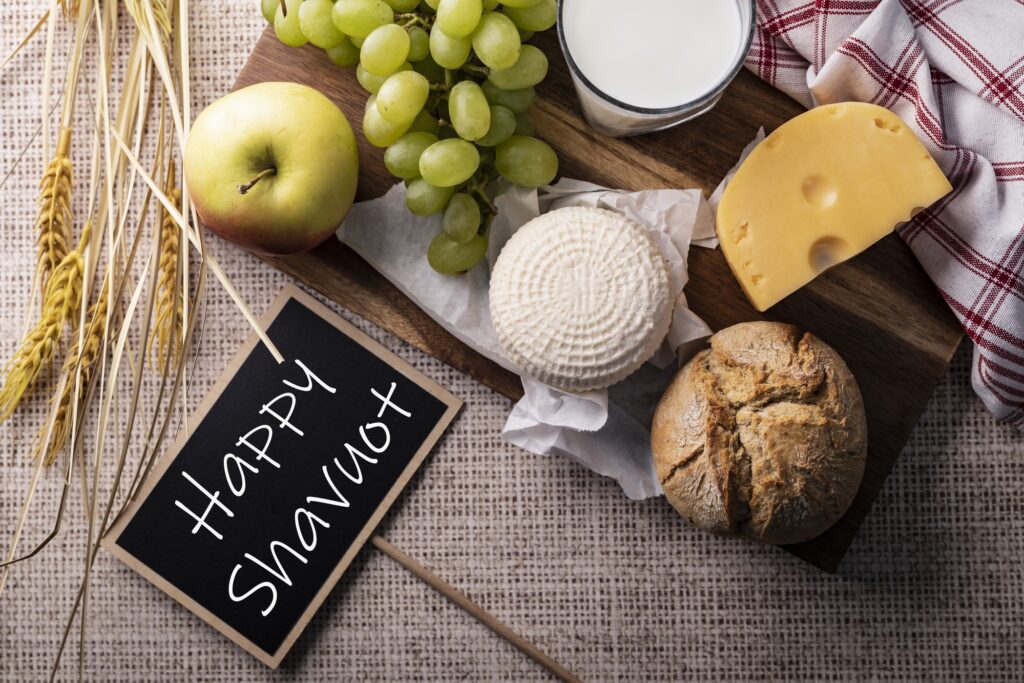
Шавуот говорить про свободу без романтики. Після виходу з рабства люди не залишаються у стані «все дозволено». Вони приходять до гори Синай, щоб прийняти Тору. Це означає добровільно погодитися на правила, які не нав’язані ззовні силою, а прийняті усвідомлено. У цьому сенсі Шавуот — свято відповідальності, а не натхнення. Воно не обіцяє легкості, але пропонує структуру, без якої свобода швидко перетворюється на хаос.
Саме тому центральною практикою Шавуоту є навчання. У ці дні багато хто проводить час за текстами, читає, слухає, думає. Традиція нічного навчання не є випробуванням витривалості і не має на меті показати духовний героїзм. Це символічний жест готовності не спати, тобто не пропустити момент слухання. Йдеться не про кількість прочитаного, а про сам стан відкритості до сенсу.
Побут Шавуоту також дуже показовий. Їжа в ці дні зазвичай молочна: сир, молочна випічка, легкі страви. Це не суворе правило, але усталена традиція. Вона підкреслює зміну після Песаха, де їжа була жорстко символічною і пов’язаною з болем рабства. Молочна їжа асоціюється з простотою і м’якістю. Вона не навантажує і не відволікає. У центрі знову не тіло, а текст.
Три тижні (приблизно липень за українським календарем)
Літній цикл починається з періоду, який називають «три тижні» — час поступового входження в траур. Він не починається різко. Навпаки, обмеження наростають повільно. Менше святкових подій, менше музики, стриманіша поведінка. Це важливо: руйнування в історії юдаїзму не сталося миттєво, воно розгорталося поступово, і календар це відтворює. У побуті це означає зменшення радості, але не зупинку життя. Люди продовжують працювати, виховувати дітей, жити. Пам’ять не скасовує повсякденність.
Вона існує поруч з нею.
Дев’ять днів (кінець липня – початок серпня)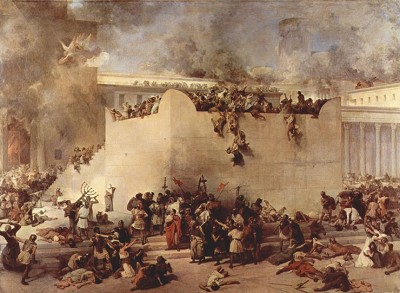 =
=
Напруга посилюється у період дев’яти днів перед Тіша бе-Ав. Тут уже з’являються конкретні обмеження: уникають святкувань, гучної музики, нових покупок. Їжа стає простішою. Це не покарання і не спроба відчути біль штучно. Це спосіб не відволікатися від теми руйнування.
Важливо, що йдеться не лише про зруйнований Храм.
У єврейській традиції ці дні акумулюють усі великі катастрофи, які припали на цей період історії: вигнання, переслідування, масові вбивства. Це колективна пам’ять, яка не має одного сюжету, але має спільний досвід втрати.
Тіша бе-Ав (кінець липня – серпень)
Тіша бе-Ав — кульмінація літнього циклу і один із найважчих днів у єврейському календарі. Це не просто дата жалоби, а день, у якому традиція навмисно зупиняє людину. Повний піст, відмова від звичного комфорту, сидіння на підлозі або низьких лавках, читання текстів про руйнування — усе це не створює драму, а прибирає відволікання. День проживається без фону, без прикрас, без спроб «пом’якшити» переживання.
Атмосфера Тіша бе-Ав максимально стримана. Немає спільних трапез, немає музики, немає жестів, які могли б перевести увагу в інший стан. Навіть мова змінюється: менше слів, менше пояснень. Це принципово. Традиція ніби говорить: є моменти, які не потрібно інтерпретувати одразу. Їх потрібно витримати.
Важливо, що Тіша бе-Ав не є днем каяття в класичному сенсі. Він відрізняється від Йом Кіпуру не лише настроєм, а й логікою. Тут немає сповіді як шляху до очищення і немає відчуття, що наприкінці дня має настати полегшення. Це день визнання руйнування, а не його виправдання. У єврейській традиції вважається, що катастрофи не є випадковими, але водночас їх не зводять до простої формули «це сталося за гріхи». Така спрощена мораль знецінювала б саму трагедію.
Тіша бе-Ав фіксує факт: світ може зламатися, і не завжди є слова, які це пояснять. Руйнування Храму, вигнання, переслідування, масові вбивства — усе це зібране в один день не для узагальнення, а для концентрації пам’яті. Це не історичний урок і не політичний жест. Це досвід втрати, який не намагаються зробити зручним.
Після Тіша бе-Ав: тиха стійкість
Після Тіша бе-Ав життя не повертається до радості різко і демонстративно. У єврейській традиції немає стрибка з трауру в святкування, і це принципове рішення. Обмеження знімаються поступово, ніби крок за кроком дозволяючи людині знову увійти в повсякденність. Такий ритм визнає очевидну, але часто ігноровану річ: після руйнування людина не стає «нормальною» одразу.
У ці дні не вимагають оптимізму і не підштовхують до швидких висновків. Світ не зобов’язаний одразу набувати сенсу. Єврейський календар залишає простір для стану, який можна назвати тихою стійкістю. Це не радість і не відчай. Це згода жити далі без гарантій і без гучних заяв про майбутнє.
Саме тут формується важлива навичка: жити поруч із пам’яттю, а не замість неї. Втрати не витісняються і не перекриваються святами. Вони залишаються частиною внутрішнього ландшафту. Але водночас вони не стають єдиним визначенням реальності. Життя триває не тому, що біль зник, а тому, що людина навчається не зупинятися через нього.
Висновок: чому єврейський календар тримає людину в реальності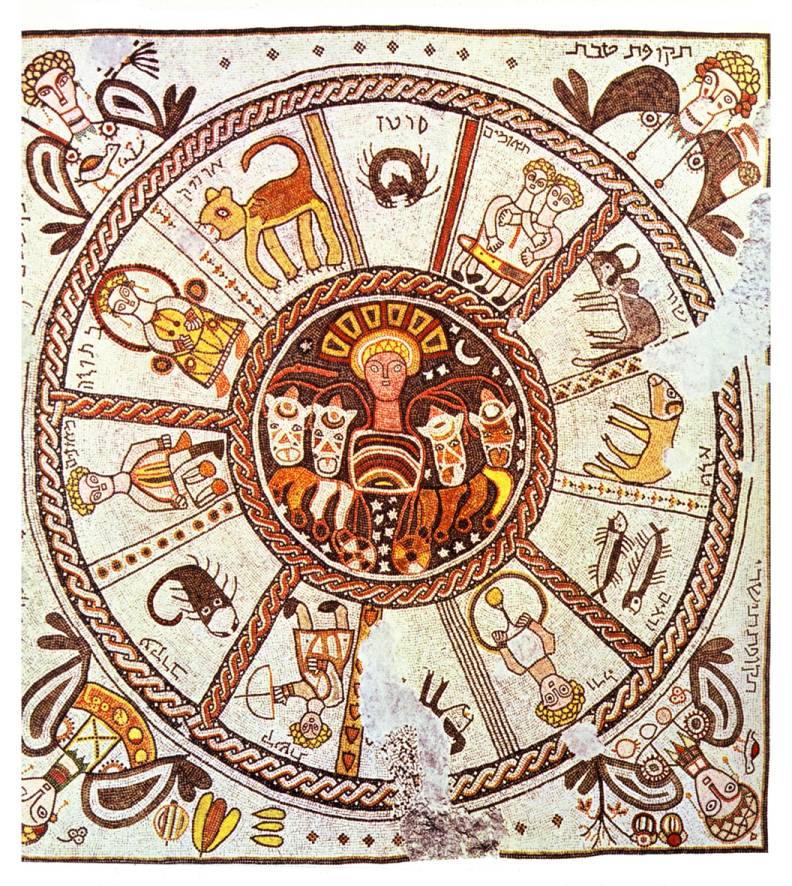
Єврейський календар не створений для того, щоб зробити життя легшим або приємнішим. Він створений для того, щоб не дати людині випасти з реальності. Кожен сезон у цьому циклі виконує свою функцію і не намагається замінити інший. Радість не стирає пам’ять, пам’ять не заперечує життя, суворість не знищує надію.
Осінь вчить дивитися на себе чесно і брати відповідальність за напрям руху. Зима показує, як жити без великих подій і тримати світло в домі, коли темно. Весна нагадує, що свобода не приходить сама і потребує форми, дисципліни і пам’яті. Літо змушує визнати руйнування і втрати без спроб швидко їх пояснити або заглушити.
У цьому циклі немає ідеального стану, в якому потрібно залишитися назавжди. Кожен етап тимчасовий, але необхідний. Саме тому єврейські свята не існують окремо. Вони працюють як система, яка не дозволяє застрягти ні в радості, ні в болю, ні в ілюзії постійного зростання.
Цей календар не обіцяє гармонії як стабільного стану. Він пропонує інше: рух без самообману. Людина щороку повертається до тих самих точок, але щоразу приходить до них іншою. І в цьому повторі немає застою. Є спосіб залишатися живим у світі, який не гарантує безпеки, але дозволяє зберігати сенс.
Jewish Holidays as a Cycle
In Jewish tradition, holidays do not exist as isolated events, cut off from one another. They form a cycle that returns each year and yet is lived differently every time. This is not a calendar of “events,” but a system of return. A person does not simply recall what once happened, but re-enters the same field of meaning, now carrying different experience.
The Jewish year does not move forward in a straight line. It moves in a circle, where each holiday has its place, function, and tension. Beginning, purification, trial, joy, loss, hope, restoration. This order is neither accidental nor decorative. It shapes an inner rhythm of life in which there is no single “main” state. Every state is temporary and necessary.
The Autumn Season: Beginning the Year, Judgment, Fragility, and Joy
Autumn in the Jewish calendar marks the beginning of the entire cycle. It is not simply that the year starts in autumn; rather, it is restarted. This season is not about coziness or harvest in any romantic sense. It is a time of maximum inner tension, honesty with oneself, and a gradual movement from severity toward joy.
Rosh Hashanah
(roughly September in the Ukrainian calendar)
 Rosh Hashanah is the Jewish New Year, but not in the sense of taking stock or celebrating achievements. It is a day of pause. A day when a person looks at themselves without embellishment, without explanations, without excuses. Not from the perspective of success, but from the perspective of direction: where am I moving, and what is truly happening to me?
In the synagogue, the shofar is sounded: a ram’s horn whose sound has no melody and was never meant to be aesthetic. It is not heard for pleasure. It is a sound of awakening, sharp and unsettling. In tradition, it functions as a signal: do not sleep through your own life, do not hide inside automatism, do not postpone an honest conversation with yourself for another year.
During these days, many Jews travel to family or gather at home around a festive table. The atmosphere is restrained and solemn, without excessive joy and without mourning. The festive quality lies not in mood, but in awareness of the moment. Foods are prepared with clear symbolic meaning. Apples with honey express the wish for a sweet year, but not sweet in the sense of easy; rather, a year with taste and fullness. The round challah symbolizes the closed cycle of time, the repeating nature of the year, and the return to the same questions, now with new experience.
Food on Rosh Hashanah is not entertainment. It functions as a language of symbols that does not decorate reality, but structures it. Each element is a reminder: the year begins not from emptiness, but from who a person is right now.
At the same time, Rosh Hashanah does not stand alone. It is not a self-contained holiday, but the opening of a process. It begins ten days of inner work that do not yet offer answers or bring relief. It is only the first point in the cycle, where a person recognizes the need for change without yet knowing what form that change will take.
The Ten Days of Awe and Yom Kippur
(September to early October)
After Rosh Hashanah begins a period with few striking outward signs, yet one of the most important of the year. It is a time when people try to mend relationships, ask forgiveness, and close old conflicts. The point is not formal apology, but real conversation.
Yom Kippur, the Day of Atonement, is the culmination of this period. It is a day of total fasting, with no food, no water, no entertainment, and no ordinary routines. People spend many hours in the synagogue or at home in prayer and silence. They do not go anywhere, do not celebrate, do not distract themselves.
This is not punishment, nor asceticism for its own sake. It is a day of ultimate responsibility. A person strips away everything unnecessary in order to see who they are without roles and excuses. When the fast ends, there is no euphoria. There is a sense of relief and a transition into another state.
Sukkot
(October)
After the most severe days of the year, Rosh Hashanah and Yom Kippur, a sharp, almost paradoxical shift takes place. Sukkot is one of the most joyful holidays in the Jewish calendar, yet its joy is neither light-minded nor carefree. It arises not from a sense of security, but from the conscious recognition of its absence.
At the center of the holiday stands the sukkah, a temporary hut built beside the house, in the yard, on a balcony, or even on a rooftop. For several days, part of life is literally moved into this fragile space. People eat there, spend time with family, welcome guests, and some even sleep there. This is not a symbolic gesture or a decorative tradition. It is a physical experience of life without the illusion of stability.
The sukkah is intentionally fragile.
It does not have a full roof; through it one can see the sky, the stars, the rain. Its walls may sway in the wind, and the temperature depends on the weather. There is no carelessness in this. On the contrary, it is a deliberate practice. The body itself experiences the truth that security is not guaranteed, even after judgment, purification, and spiritual work. The holiday does not deny life’s fragility. It teaches a person not to flee from it.
It is also important that Sukkot is a holiday of being together. During these days, much time is spent with family, relatives, and friends. Guests are invited, sometimes even people one barely knows. The idea is that in an unstable space, a person should not close in on themselves. On the contrary, openness and togetherness become a form of shelter.
The food of Sukkot is simple and home-like. There are no rigidly defined symbolic dishes as on Rosh Hashanah or Passover. And this is essential. The holiday is not about signs or ritual precision. It is about the fact of dwelling. What matters is not what lies on the table, but where that table stands and who is sitting beside it. Even ordinary food in the sukkah takes on a different meaning, because it is eaten under the conditions of temporariness.
Simchat Torah
(late October)
The autumn cycle concludes with a holiday that, from the outside, looks very loud. Simchat Torah is the joy of the Torah. In synagogues, people dance with the scrolls, sing, move until they are exhausted. After Yom Kippur, this may seem like a dramatic contrast.
But the logic is consistent. After judgment, responsibility, and the lived experience of fragility comes the joy of knowing that the path has not ended. The reading of the Torah is completed and immediately begun again. The cycle closes.
Hanukkah
(roughly December in the Ukrainian calendar)
Hanukkah is the best-known winter Jewish holiday, yet it is often misunderstood. From the outside, it may look like a decorative “festival of lights.” In reality, Hanukkah is a celebration of endurance, not victory in the usual sense.
Historically, Hanukkah is linked to the rededication of the Temple after its defilement and to the revolt of the Maccabees. Yet the core of the holiday is not military triumph, but the restoration of the ability to live in one’s own way without surrendering one’s identity. That is why the central act of Hanukkah is neither procession nor communal prayer, but the kindling of light at home.
Each evening for eight days, the hanukkiah, a special lamp, is lit. The number of candles increases day by day. This is important. Light does not appear all at once in abundance. It accumulates gradually. The idea is simple and demanding: do not wait for instant rescue, but add light day after day, even when the darkness has not disappeared.
During these days, families gather at home. They do not travel anywhere special. They prepare food fried in oil, as a reminder of the miracle of the Temple oil. The best-known dishes are latkes and doughnuts. But the meaning is not in the recipes. It lies in the repeated act that makes the home the center of spiritual life.
Hanukkah does not require silence or severity. But neither is it sentimental. It is a holiday for the long distance.
Everyday Winter: Between Holidays
After Hanukkah comes a period that often seems “empty.” There are no loud holidays, no climaxes. But in the Jewish cycle, this is not a pause. It is a stage of endurance. Life returns to its ordinary rhythm, and it is precisely here that one sees whether faith can function without festive intensity.
At this time, more attention is given to learning, routine, and inner discipline. There are fewer symbolic actions and more repetition. Winter is when religion most resembles not emotion, but a structure of life. Faith is no longer sustained by large communal moments. It either exists in everyday life, or it disappears.
Tu BiShvat
(January to February)
In the middle of winter comes a very quiet and almost unnoticed holiday: Tu BiShvat, the New Year of the Trees. It has no grand rituals and is not linked to pilgrimage. Yet its meaning is deep.
Tu BiShvat reminds us that growth begins when it is still invisible. Trees outwardly appear dead, yet this is the time when sap begins to rise within them. In daily life, the holiday is often marked by eating fruit, especially fruit associated with the Land of Israel. Sometimes a symbolic meal is held at home.
This is a holiday not of action, but of patience. Of understanding that change begins before it can be seen.
Passover
(roughly March to April in the Ukrainian calendar)
Passover is one of the key holidays of the entire year. It is not merely the recollection of the Exodus from Egypt, but the reliving of that Exodus in the present. In Judaism one does not say, “Once our ancestors were slaves.” One says: we came out of slavery. The event does not remain in the past. It is re-enacted again and again.
Preparation for Passover begins long before the holiday itself. The home is cleared of chametz, all leavened food. This is not symbolic tidying, nor spring cleaning “for order.” The idea is to remove what swells, lingers, and pulls one backward. In practice, this means real cleaning, changing the kitchen, using separate dishes. In an inner sense, it means trying to free oneself from old patterns.
The festive meal, the seder, takes place at home in the family circle. It has a clear structure and sequence. Here people eat matzah, bitter herbs, and charoset, a sweet mixture of fruit and nuts. Each element carries meaning. The bitter recalls slavery. The sweet recalls hope even in the hardest state. The matzah speaks of haste and the instability of freedom, which gives no time for “perfect preparation.”
During the seder, people speak, read, and ask questions. Children play a special role. Their questions are not decorative. They set the story in motion. Freedom is passed on not through silence, but through explanation.
Between Passover and Shavuot: A Time of Inner Counting
(April to May)
After Passover comes a period with no loud holidays, yet one considered essential. It is the counting of the days, forty-nine days between the departure from slavery and the receiving of the Torah. There are no special feasts and no overt joy. It is a transitional stage.
Its meaning is simple and demanding: it is not enough to leave slavery. One must learn how to live in freedom. This period is often associated with work on character, behavior, and habits. In outward life it may be almost invisible, but inwardly it is tense. Freedom without form can quickly become chaos.
Shavuot
(May to early June)
The spring cycle concludes with Shavuot, the holiday of receiving the Torah, though its meaning is often underestimated precisely because it lacks outward drama. If Passover is movement, departure, rupture, then Shavuot is the moment of stillness after movement. In Jewish logic, this is a decisive transition: freedom in itself is not the end of the journey. It only creates the possibility of choice, and choice requires limits.
Shavuot speaks of freedom without romance. After leaving slavery, people do not remain in a state where “anything goes.” They come to Mount Sinai in order to receive the Torah. This means voluntarily accepting rules that are not imposed by external force, but consciously embraced. In this sense, Shavuot is a holiday of responsibility, not inspiration. It does not promise ease, but offers structure, without which freedom quickly turns into chaos.
That is why the central practice of Shavuot is learning. During these days, many spend time with texts, reading, listening, reflecting. The tradition of studying through the night is not a test of endurance and not a display of spiritual heroism. It is a symbolic gesture of readiness not to sleep through the moment of listening. The point is not the quantity of what is read, but the very state of openness to meaning.
The everyday customs of Shavuot are also revealing. Food during these days is usually dairy: cheese, milk pastries, light dishes. This is not a strict law, but an established custom. It marks a shift after Passover, where food was sharply symbolic and bound to the pain of slavery. Dairy foods are associated with simplicity and gentleness. They do not burden or distract. Once again, the focus is not the body, but the text.
The Three Weeks
(roughly July in the Ukrainian calendar)
The summer cycle begins with the period known as “the Three Weeks,” a time of gradual entry into mourning. It does not begin abruptly. On the contrary, the restrictions increase slowly. Fewer festive events, less music, more restraint. This matters: destruction in Jewish history did not occur in a single instant, but unfolded gradually, and the calendar reflects this. In practice, this means a reduction of joy, but not a cessation of life. People continue to work, raise children, and live. Memory does not abolish everyday life.
It exists alongside it.
The Nine Days
(late July to early August)
The tension intensifies during the Nine Days before Tisha B’Av. Here more concrete restrictions appear: celebrations, loud music, and new purchases are avoided. Food becomes simpler. This is not punishment, nor an attempt to manufacture grief artificially. It is a way of avoiding distraction from the theme of destruction.
What matters is that this concerns not only the destruction of the Temple.
In Jewish tradition, these days gather together all the great catastrophes that fell during this period of history: exile, persecution, mass killings. It is a collective memory without a single plot, yet with a shared experience of loss.
Tisha B’Av
(late July to August)
Tisha B’Av is the culmination of the summer cycle and one of the hardest days in the Jewish calendar. It is not merely a date of mourning, but a day on which tradition deliberately brings a person to a halt. A complete fast, the rejection of ordinary comfort, sitting on the floor or on low stools, reading texts of destruction: all this does not create drama, but removes distraction. The day is lived without background noise, without adornment, without any attempt to “soften” the experience.
The atmosphere of Tisha B’Av is as restrained as possible. There are no communal meals, no music, no gestures that might shift attention into another state. Even language changes: fewer words, fewer explanations. This is essential. Tradition seems to say: there are moments that should not be interpreted at once. They must simply be endured.
It is important that Tisha B’Av is not a day of repentance in the classic sense. It differs from Yom Kippur not only in mood, but in logic. There is no confession here as a path to purification, and no sense that relief must arrive by the end of the day. It is a day of acknowledging destruction, not justifying it. In Jewish tradition, catastrophes are not seen as random, yet neither are they reduced to the simplistic formula that “this happened because of sins.” Such moral simplification would cheapen the tragedy itself.
Tisha B’Av records a fact: the world can break, and there are not always words that explain it. The destruction of the Temple, exile, persecution, mass murder, all are concentrated in one day not for abstraction, but for the concentration of memory. This is not a historical lesson and not a political gesture. It is an experience of loss that is not made convenient.
After Tisha B’Av: Quiet Endurance
After Tisha B’Av, life does not return to joy abruptly or demonstratively. In Jewish tradition, there is no leap from mourning into celebration, and this is a deliberate choice. Restrictions are lifted gradually, step by step, allowing a person to re-enter ordinary life. This rhythm recognizes an obvious but often ignored truth: after destruction, a person does not become “normal” at once.
During these days, no one demands optimism and no one pushes toward quick conclusions. The world is not obliged to make sense immediately. The Jewish calendar leaves room for a state that might be called quiet endurance. It is neither joy nor despair. It is the willingness to go on living without guarantees and without loud declarations about the future.
It is precisely here that an important skill is formed: to live alongside memory, rather than in place of it. Losses are neither pushed out nor covered over by holidays. They remain part of the inner landscape. Yet at the same time, they do not become the sole definition of reality. Life continues not because pain has disappeared, but because a person learns not to stop because of it.
Conclusion: Why the Jewish Calendar Keeps a Person Grounded in Reality
The Jewish calendar was not created to make life easier or more pleasant. It was created so that a person would not fall out of touch with reality. Every season in this cycle serves its own function and does not try to replace another. Joy does not erase memory, memory does not negate life, severity does not destroy hope.
Autumn teaches a person to look honestly at themselves and to take responsibility for the direction of their life. Winter shows how to live without great events and how to keep light in the home when it is dark. Spring reminds us that freedom does not arrive on its own, but requires form, discipline, and memory. Summer compels us to acknowledge destruction and loss without trying to explain them away too quickly or drown them out.
There is no ideal state in this cycle in which one is meant to remain forever. Every stage is temporary, but necessary. That is why Jewish holidays do not exist separately. They work as a system that does not allow a person to become trapped in joy, pain, or the illusion of constant progress.
This calendar does not promise harmony as a permanent condition. It offers something else: movement without self-deception. Each year a person returns to the same points, yet comes to them as someone different. And in that repetition there is no stagnation. There is a way of remaining alive in a world that offers no guarantee of safety, yet still allows meaning to endure.