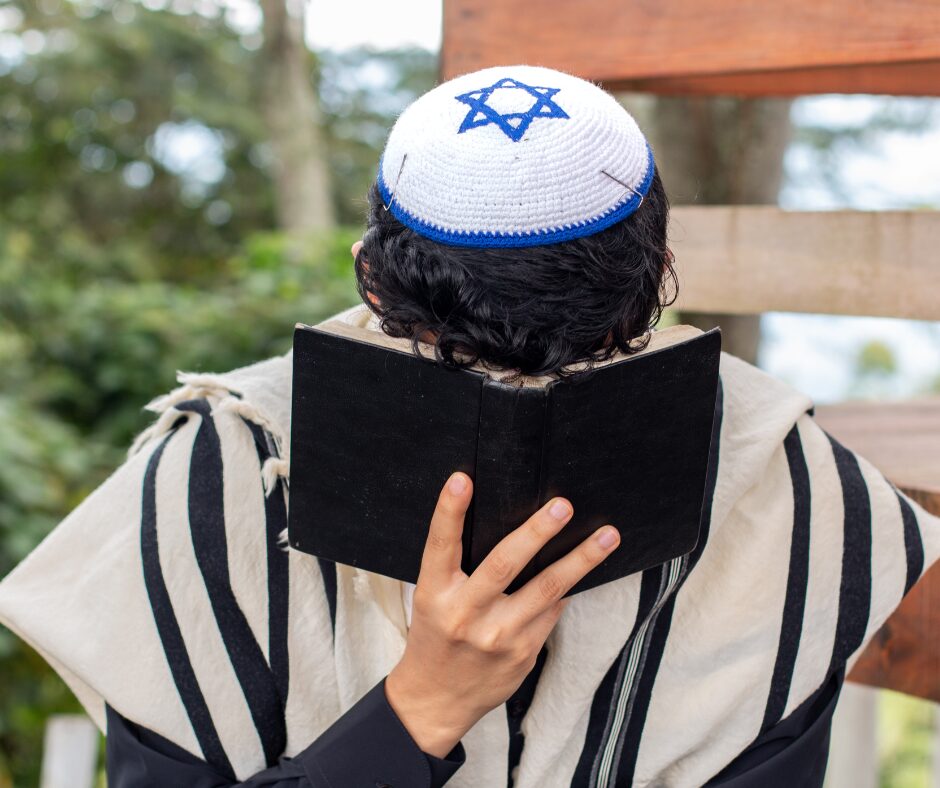
Чому Рабі Нахман обрав Умань і як це рішення змінило місто та духовну карту світу
Рішення бути похованим в Умані не було випадковим ані емоційним. Для Рабі Нахман це був усвідомлений вибір місця, яке поєднувало історичну травму, пам’ять про масове вбивство і потенціал духовного відновлення. Саме тому Умань згодом перестала бути просто містом на мапі. Вона стала точкою, де біль не замовчують, а перетворюють на рух.
 Історичний контекст Умані на початку XIX століття
На початку XIX століття Умань уже не була просто провінційним містом. Вона несла на собі важку репутацію місця масової смерті, і ця репутація формувала сприйняття міста задовго до будь-яких релігійних рішень. Події 1768 року під час Коліївщини залишили не лише фізичні руйнування, а й глибоку психологічну травму, яка продовжувала жити десятиліттями.
Масове вбивство євреїв в Умані не було епізодом, що швидко зник з пам’яті. Воно стало частиною локального знання. Люди знали конкретні місця, де ховалися, де загинули цілі родини, де пролилася кров. Ці місця не завжди були позначені, але вони існували в колективній уяві. Умань пам’ятали як місто, де безпека може зникнути миттєво, а життя втратити цінність через походження.
Для єврейської спільноти Східної Європи Умань стала символом крайньої вразливості.
Це було місце, де стало очевидно: навіть велика громада, навіть відомі торгові й ремісничі центри не гарантують захисту. Саме тому Умань не асоціювалася з навчанням, духовною стабільністю чи розвитком. Вона асоціювалася з розривом між життям до і після.
Кров у цьому контексті не була метафорою.
Вона означала знищення без логіки, без суду, без можливості захисту. Місто стало нагадуванням, що історія може обірватися в будь-який момент. Саме ця репутація робила Умань «важким» місцем. Тут не шукали спокою. Тут не будували ілюзій про стабільність.
На початку XIX століття ця пам’ять ще не була оформлена в історичні дослідження чи меморіальні практики. Вона існувала як страх, як тиша, як уникання. Про трагедію не говорили публічно, але вона визначала поведінку. Умань залишалася містом, у якому присутність смерті відчувалася, навіть тоді, коли життя тривало.
Саме тому вибір цього міста для поховання виглядав дивним і тривожним. Обрати Умань означало не втекти від історичної травми, а увійти в неї. Не шукати очищеного простору, а прийняти місце, де пам’ять про кров і знищення залишалася відкритою. У цій логіці Умань була не просто географічною точкою, а символом незавершеної історії, з якою потрібно було щось зробити.
Сенс бути похованим серед загиблих євреїв
Особливо важливим є те, що Рабі Нахман наполягав на похованні саме серед євреїв, убитих під час масових погромів в Умані. Це рішення не було жестом скромності і не було випадковим. У єврейській традиції місце поховання має значення не лише для померлого, а й для живих, бо воно формує спосіб пам’яті і спосіб повернення до цієї пам’яті.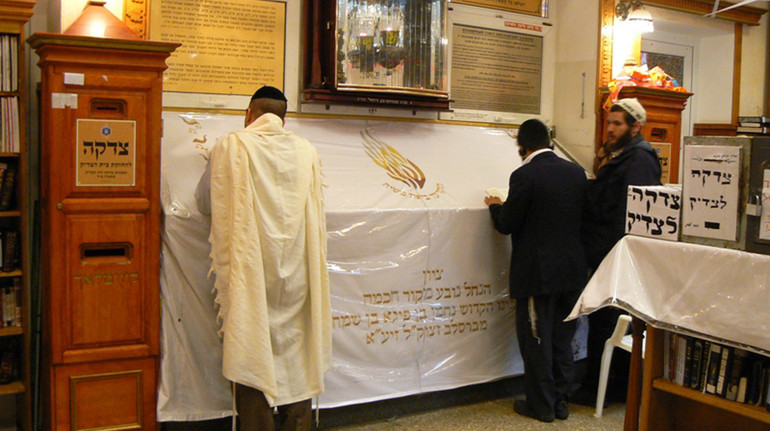
Бути похованим серед загиблих означало свідомо розділити їхню долю, а не піднестися над нею. У традиційному уявленні праведник міг обрати місце серед інших цадиків, у спокійному духовному центрі, подалі від трагедії. Рабі Нахман обрав протилежне. Це було радикальне твердження: праведність не існує поза історичним болем. Праведник не стоїть осторонь травми, він входить у неї разом зі своїм народом.
Ізраїльський історик хасидизму Цві Марк зазначав, що вибір Умані і саме такого поховання слід розуміти як активний жест пам’яті, а не як символічний жест покори. На його думку, Рабі Нахман створив модель духовної присутності, яка не «загладжує» катастрофу, а фіксує її як місце постійної роботи. Могила стає не точкою завершення, а точкою напруги між минулим і теперішнім.
Подібну думку висловлює і дослідник єврейської містики Артур Ґрін, який писав, що хасидизм Рабі Нахмана відмовляється від ідеї «очищеного простору». Навпаки, святість, за цією логікою, народжується саме там, де історія була зламана. Бути поруч із убитими означає не дозволити їм зникнути в абстрактній статистиці.
У хасидській традиції є уявлення, що душі загиблих без вини не залишаються мовчазними, а потребують голосу живих. Поховання серед них перетворює могилу праведника на місце колективної пам’яті, а не приватного поклоніння. Саме тому паломництво до могили Рабі Нахмана згодом стало не лише релігійною практикою, а формою історичного свідчення.
Важливо й те, що це рішення змінило саму логіку паломництва.
Люди приїжджають не до «відокремленого святого», а до місця, де святість і смерть співіснують. Тут неможливо молитися, повністю абстрагуючись від минулого. Присутність трагедії вбудована в сам простір.
Таким чином, поховання Рабі Нахмана серед загиблих євреїв Умані було не жестом особистого смирення, а етичною позицією. Це було твердженням, що духовне життя не має права будуватися поверх кісток, не помічаючи їх. Умань у цій логіці стала місцем, де пам’ять не консервується і не романтизується, а залишається живою і болючою. Саме це і зробило місто унікальною точкою на духовній карті світу.
Як відбувається паломництво і навіщо воно існує
Паломництво до могили Рабі Нахман не задумувалося як масовий релігійний ритуал у класичному сенсі. Воно не є обов’язком, не має чітко прописаного сценарію і не прив’язане до ідеї «очищення через місце». Його сенс інший і безпосередньо випливає з усього, про що йшлося раніше: з історичної травми Умані, з вибору бути похованим серед загиблих і з уявлення про святість як присутність усередині болю, а не поза ним.
Рабі Нахман говорив не про обов’язок приїхати, а про можливість. Він наполягав на тому, що людина приходить не до нього як до посередника, а до місця, де можна бути чесним із собою. Паломництво в цьому сенсі не є втечею від життя. Навпаки, воно часто відбувається в момент внутрішнього глухого кута, коли звичні опори більше не працюють.
Сам процес паломництва виглядає хаотичним лише ззовні. Насправді він складається з кількох сталих елементів. Люди приходять до могили, читають визначені псалми, моляться своїми словами, довго перебувають поруч. Немає єдиної пози чи поведінки, яку вимагають від усіх. Хтось мовчить, хтось плаче, хтось співає, хтось рухається. Це важливо: паломництво не уніфікує досвід. Воно дозволяє йому бути різним.
Зв’язок із похованням серед загиблих тут принциповий. Людина приходить не в «чистий» духовний простір, а в місце, де пам’ять про масове вбивство і особистий біль співіснують. Саме тому паломництво не зводиться до приватної молитви. Воно завжди має вимір колективної пам’яті. Навіть якщо людина приїхала зі своєю історією, вона опиняється всередині історії значно більшої.
У цьому сенсі паломництво до Умані відрізняється від багатьох інших форм релігійної подорожі. Тут не шукають спокою. Тут не обіцяють розв’язання проблем. Людина не «отримує відповідь» автоматично. Натомість вона входить у простір, де відчай не заперечують, але й не визнають остаточним. Саме ця ідея — що відчай не має права на фінальне слово — проходить крізь усі тексти Рабі Нахмана і пояснює, чому паломництво супроводжується співом, рухом і присутністю життя.
Паломництво також змінює саме місто. Умань перестає бути лише фоном трагедії або туристичною локацією. Вона стає місцем постійного повернення. Люди приїжджають не подивитися, а бути. Не за видовищем, а за можливістю прожити складний стан не наодинці. Саме тому паломництво не закінчується на могилі. Воно продовжується у вулицях, у спільних піснях, у тимчасових громадах, які виникають і зникають, але залишають слід.
Таким чином, ідея паломництва логічно замикає всі попередні сенси. Вибір Умані як місця болю. Поховання серед загиблих як етична позиція. Радість як відповідь на відчай, а не як заперечення трагедії. Паломництво стає не культом особи і не ритуалом заради ритуалу, а формою живої роботи з пам’яттю, у якій людина не тікає від історії, а наважується увійти в неї і вийти звідти з рухом далі.
Why Rabbi Nachman Chose Uman and How This Decision Reshaped the City and the Spiritual Map of the World
Rabbi Nachman’s decision to be buried in Uman was neither accidental nor emotional. It was a conscious choice of a place that combined historical trauma, the memory of mass killing, and the potential for spiritual renewal. This is precisely why Uman eventually ceased to be just another city on the map. It became a point where pain is not silenced, but transformed into movement.
The Historical Context of Uman at the Beginning of the 19th Century
At the beginning of the 19th century, Uman was no longer simply a provincial town. It carried the heavy reputation of a place of массова смерть, and this reputation shaped how the city was perceived long before any religious decisions were made. The events of 1768 during the Haidamaka uprising left behind not only physical destruction but also a deep psychological trauma that persisted for decades.
The mass killing of Jews in Uman was not an episode that quickly disappeared from memory. It became part of local consciousness. People knew the specific places where families hid, where entire households perished, where blood was spilled. These places were not always marked, but they existed in collective imagination. Uman was remembered as a city where safety could vanish instantly, and where life could lose its value because of one’s origin.
For the Jewish communities of Eastern Europe, Uman became a symbol of extreme vulnerability.
It was a place that made it clear: even a large community, even well-developed centers of trade and craftsmanship, could not guarantee protection. That is why Uman was not associated with learning, spiritual stability, or growth. It was associated with rupture — between life before and life after.
In this context, blood was not a metaphor.
It meant destruction without logic, without judgment, without the possibility of defense. The city became a reminder that history can be interrupted at any moment. This reputation made Uman a “heavy” place. People did not come here seeking peace. They did not build illusions of stability here.
At the beginning of the 19th century, this memory had not yet been formalized into historical research or memorial practices. It existed as fear, as silence, as avoidance. The tragedy was not openly discussed, yet it shaped behavior. Uman remained a place where the presence of death could be felt even when life continued.
This is why choosing this city as a burial place seemed strange and unsettling. To choose Uman meant not to escape historical trauma, but to enter it. Not to seek a purified space, but to accept a place where memory of blood and destruction remained open. In this sense, Uman was not just a geographical point, but a symbol of an unfinished history that demanded engagement.
The Meaning of Being Buried Among the Slain
It is especially significant that Rabbi Nachman insisted on being buried among the Jews who were killed during the massacres in Uman. This decision was not an act of modesty, nor was it accidental. In Jewish tradition, the place of burial matters not only for the deceased but also for the living, because it shapes the way memory is preserved and revisited.
To be buried among the slain meant consciously sharing their fate rather than rising above it. Traditionally, a righteous figure could choose to be buried among other spiritual leaders, in a calm and established sacred center, far from tragedy. Rabbi Nachman chose the opposite. It was a radical statement: righteousness does not exist outside historical pain. A righteous person does not stand aside from trauma — he enters it together with his people.
Israeli scholar of Hasidism Zvi Mark notes that this choice should be understood as an active gesture of memory rather than symbolic humility. In his view, Rabbi Nachman created a model of spiritual presence that does not “smooth over” catastrophe but fixes it as a place of ongoing work. The grave becomes not a point of closure, but a point of tension between past and present.
A similar idea is expressed by scholar Arthur Green, who argued that Rabbi Nachman’s Hasidism rejects the notion of a “purified space.” Instead, holiness, in this perspective, emerges precisely where history has been broken. To be near the murdered is to refuse to let them disappear into abstract statistics.
In Hasidic thought, there is an idea that the souls of those unjustly killed do not remain silent but require the voice of the living. Being buried among them turns the grave of a tzaddik into a site of collective memory rather than private devotion. This is why pilgrimage to Rabbi Nachman’s grave later became not only a religious practice but also a form of historical witnessing.
Importantly, this decision also changed the very logic of pilgrimage.
People come not to a “separate saint,” but to a place where holiness and death coexist. It is impossible to pray here while fully abstracting from the past. The presence of tragedy is embedded in the space itself.
Thus, Rabbi Nachman’s burial among the slain Jews of Uman was not an act of personal humility, but an ethical stance. It was a declaration that spiritual life cannot be built over bones without acknowledging them. In this logic, Uman became a place where memory is neither preserved as a relic nor romanticized, but remains alive and painful. This is precisely what made it a unique point on the world’s spiritual map.
How the Pilgrimage Happens and Why It Exists
Pilgrimage to Rabbi Nachman’s grave was not conceived as a mass religious ritual in the classical sense. It is not an obligation, does not follow a strictly defined script, and is not tied to the idea of “purification through place.” Its meaning is different and directly emerges from everything discussed earlier: the historical trauma of Uman, the choice to be buried among the slain, and the understanding of holiness as presence within pain rather than outside it.
Rabbi Nachman spoke not of obligation, but of possibility. He emphasized that a person comes not to him as a mediator, but to a place where one can be honest with oneself. In this sense, pilgrimage is not an escape from life. On the contrary, it often occurs at a moment of inner dead-end, when familiar supports no longer function.
From the outside, the process of pilgrimage may seem chaotic. In reality, it consists of several stable elements. People come to the grave, recite specific psalms, pray in their own words, and spend long periods nearby. There is no single posture or behavior required of everyone. Some remain silent, some cry, some sing, some move. This is essential: pilgrimage does not standardize experience — it allows it to remain personal.
The connection to being buried among the slain is crucial here. A person doesnot enter a “clean” spiritual space, but a place where memory of mass killing and personal pain coexist. That is why pilgrimage is not limited to private prayer. It always carries a dimension of collective memory. Even if someone arrives with their own story, they find themselves inside a much larger one.
In this sense, pilgrimage to Uman differs from many other forms of religious travel. People do not come here to find peace. They are not promised solutions. No one automatically “receives answers.” Instead, they enter a space where despair is not denied, but also not granted the final word. This idea — that despair does not have the right to the last word — runs through Rabbi Nachman’s teachings and explains why pilgrimage is accompanied by singing, movement, and the presence of life.
Pilgrimage also transforms the city itself. Uman ceases to be merely a backdrop of tragedy or a tourist location. It becomes a place of constant return. People come not to observe, but to be. Not for spectacle, but for the opportunity to live through a difficult inner state not alone. That is why pilgrimage does not end at the grave. It continues in the streets, in shared songs, in temporary communities that emerge and disappear, yet leave a trace.
Thus, the idea of pilgrimage completes all previous meanings. The choice of Uman as a place of pain. Burial among the slain as an ethical position. Joy as a response to despair, not a denial of tragedy. Pilgrimage becomes not a cult of personality and not a ritual for its own sake, but a living practice of working with memory — where a person does not escape history, but dares to enter it and move forward.