Як виглядає єврейська бібліотека: що означають книги, назви і цифри в синагозі
Коли людина заходить у синагогу, вона бачить не просто полиці з релігійними книгами, а чітко вибудувану систему текстів. Це не бібліотека для читання у вільний час і не архів. Кожна книга тут прив’язана до конкретного моменту: дня тижня, свята, періоду року або життєвої події. Саме тому єврейська бібліотека здається перевантаженою назвами і цифрами. Насправді це максимально практична структура, створена для точності і спільної дії.
 Базою повсякденного релігійного життя є Сідур. Його використовують щодня, у шабат і в частині менш урочистих свят. Але Сідур не є універсальним у сенсі одного-єдиного тексту. Існують Сідури різних традицій: ашкеназької, сефардської, хасидської. Вони можуть відрізнятися порядком молитов, формулюваннями, наявністю додаткових текстів. Саме тому на обкладинках часто зазначають напрям традиції і номер редакції. Ці цифри не декоративні. Вони потрібні для того, щоб у спільній молитві всі користувалися однаковою версією і не виникало плутанини.
Поруч із Сідуром у синагозі завжди присутні книги для регулярного навчання. Це Хумаш для щотижневого читання Тори і томи Талмуд. Тут важливо розуміти одну річ: у цих книгах ключовою є не сторінка, а система нумерації, яка не змінюється століттями. У Талмуді посилаються на аркуші і сторони, а не на сторінки конкретного видання. Завдяки цьому люди з різних міст і країн можуть працювати з одним і тим самим фрагментом тексту, навіть якщо тримають у руках різні книги. Це не формальність, а спосіб зберегти спільну мову навчання.
Книги для свят і особливих подій
Коли настають великі свята, повсякденні книги відкладають. Для Рош га-Шана і Йом Кіпуру використовують Махзор.  Це окрема книга, значно об’ємніша за Сідур. Вона містить тексти, які читають лише кілька днів на рік, але саме ці дні мають найвищу релігійну вагу. Усередині Махзора ретельно продумана навігація: розділи, частини служби, іноді навіть окремі молитви мають нумерацію. Під час служби оголошують номер, і вся громада одночасно переходить до потрібного місця. Без цієї системи довга святкова молитва просто не могла б відбуватися синхронно.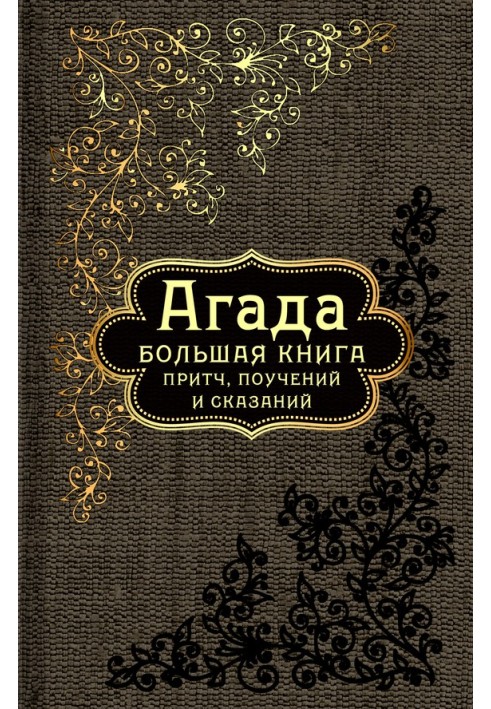
Для інших свят існують свої окремі тексти. На Песах використовують Агада, яку читають під час святкової вечері. Вона має чіткий порядок, закріплений століттями, і побудована як послідовність дій, питань і відповідей. Для Сукоту, Шавуоту та інших свят існують спеціальні збірники молитов і читань, які не входять до Сідура і використовуються лише у визначені дні.
Окрема категорія це книги для життєвих подій. Для весілля, жалоби, поминальних днів, обрізання, домашніх обрядів. Вони не завжди лежать на загальних полицях, але є частиною бібліотеки синагоги. Такі тексти мають чітку структуру і сувору послідовність, оскільки використовуються в ситуаціях, де помилка в порядку дій вважається серйозним порушенням традиції.
 Важливо також розуміти мовну норму. Назви єврейських релігійних книг завжди пишуться з великої літери. Сідур, Махзор, Хумаш, Талмуд, Агада не є загальними назвами, а фіксованими іменами текстів із визначеним статусом. Це правило діє незалежно від контексту і стилю публікації.
Зовні така система може здаватися складною і перевантаженою. Але насправді вона створена для стабільності. Книги в синагозі не пояснюють життя абстрактно. Вони супроводжують його день за днем, свято за святом, подію за подією. Саме тому єврейська бібліотека виглядає не як сховище текстів, а як точний механізм, який дозволяє громаді діяти разом і зберігати безперервність традиції навіть у часи війни і зламу історії.
What a Jewish Library Looks Like: What the Books, Titles, and Numbers in a Synagogue Mean
When a person enters a synagogue, they do not see mere shelves of religious books, but a carefully structured system of texts. This is not a library for casual reading, nor an archive. Each book is tied to a specific moment: a day of the week, a holiday, a season of the year, or a life event. That is why a Jewish library can appear overloaded with titles and numbers. In reality, it is an intensely practical structure, designed for precision and collective action.
The foundation of daily religious life is the Siddur. It is used every day, on Shabbat, and on less solemn festivals. Yet the Siddur is not a single universal text. There are versions reflecting different traditions: Ashkenazic, Sephardic, Hasidic. They may differ in the order of prayers, wording, and the inclusion of additional passages. That is why the covers often specify the tradition and the edition number. These numbers are not decorative. They ensure that during communal prayer everyone is using the same version, preventing confusion.
Alongside the Siddur, synagogues always contain books for regular study. These include the Chumash for the weekly Torah reading and volumes of the Talmud. One key detail is essential here: in these books, what matters most is not the page number of a particular edition, but a fixed system of numbering that has remained unchanged for centuries. In the Talmud, references are made to folios and sides, not to modern page numbers. This allows people in different cities and countries to study the exact same passage, even when holding different printed editions. It is not a formality, but a way of preserving a shared language of learning.
Books for Holidays and Special Occasions
When the major festivals arrive, everyday prayer books are set aside. For Rosh Hashanah and Yom Kippur, the Machzor is used. This is a separate volume, significantly larger than the Siddur. It contains texts recited only a few days a year, yet those days carry the greatest religious weight. Inside the Machzor, navigation is carefully organized: sections, parts of the service, and sometimes even individual prayers are numbered. During the service, a number may be announced, and the entire congregation turns to the same place simultaneously. Without such a system, a lengthy holiday service could not proceed in unison.
Other holidays have their own dedicated texts. On Passover, the Haggadah is used during the festive meal. It follows a precise order established over centuries and is structured as a sequence of actions, questions, and responses. For Sukkot, Shavuot, and other festivals, there are specific collections of prayers and readings that do not appear in the Siddur and are used only on designated days.
There is also a distinct category of books for life-cycle events: weddings, mourning rituals, memorial days, circumcisions, and home ceremonies. These volumes are not always displayed on open shelves, but they form part of the synagogue’s library. Such texts follow strict structures and sequences, since they are used in moments where a mistake in order is considered a serious breach of tradition.
It is also important to understand the linguistic norm. The names of Jewish religious books are always capitalized. Siddur, Machzor, Chumash, Talmud, Haggadah are not generic terms but fixed titles of texts with defined status. This rule applies regardless of context or style of publication.
From the outside, this system may seem complex and overloaded. In reality, it is designed for stability. The books in a synagogue do not explain life in abstract terms. They accompany it day by day, holiday by holiday, event by event. That is why a Jewish library looks less like a storage space for texts and more like a precise mechanism that enables a community to act together and preserve the continuity of tradition, even in times of war and historical rupture.